

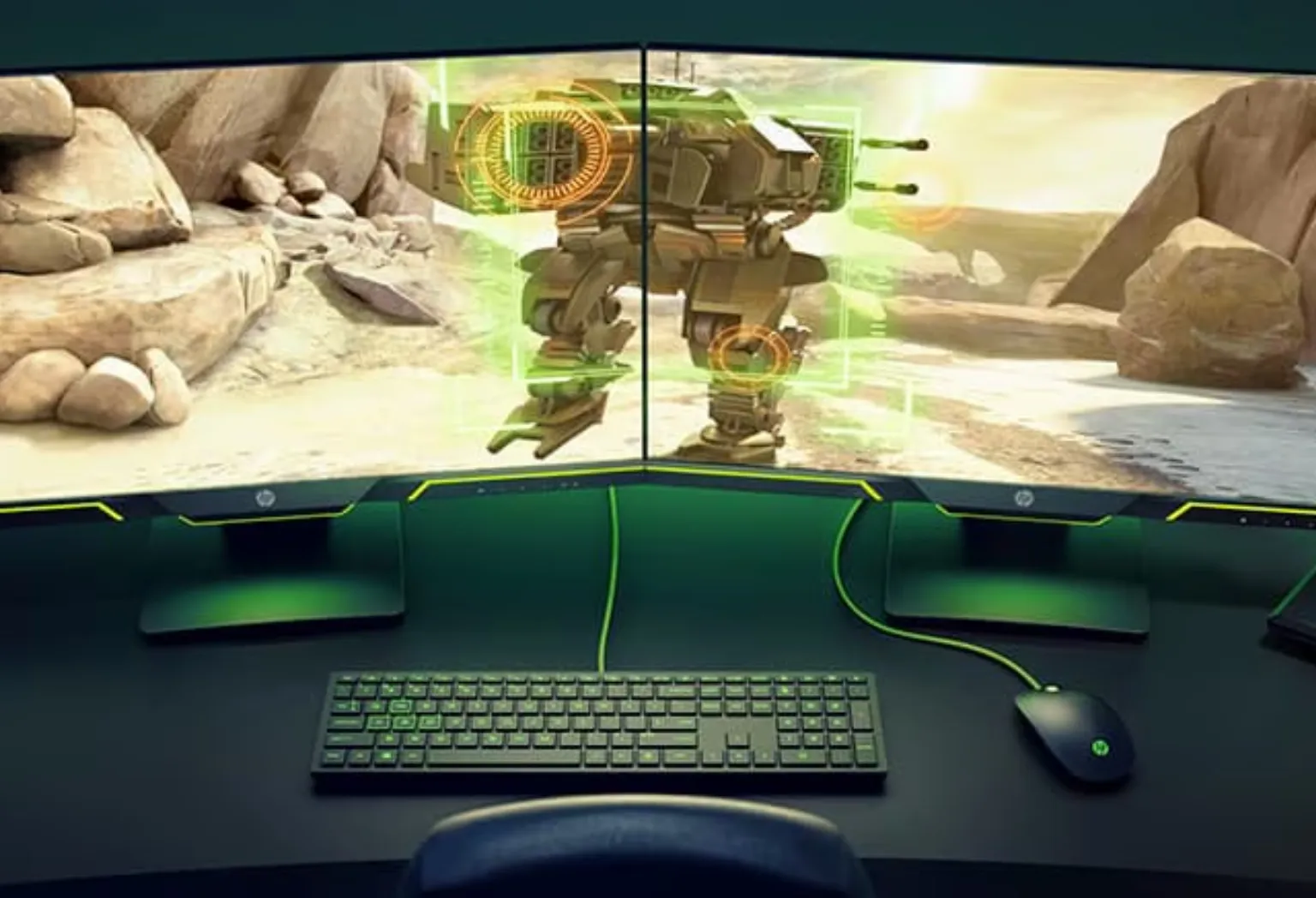
PC gaming has demonstrated an unmatched ability to remain relevant across decades of technological change. While console generations rise and fall, PC gaming evolves continuously. This longevity is not accidental, it is the result of three core pillars: mods, hardware freedom, and open ecosystems.
Together, these elements allow PC gaming to adapt, innovate, and grow without being restricted by fixed hardware cycles or closed platforms. They empower players, developers, and communities to shape gaming experiences far beyond the original release window.
Mods: The Lifeblood of PC Gaming Longevity
What Mods Bring to Games
Mods, short for modifications, allow players and creators to alter or expand games beyond their original design. These changes can be cosmetic, mechanical, or transformative, turning familiar experiences into something entirely new.
Mods can include:
- New characters, maps, and quests
- Visual upgrades and texture packs
- Gameplay balance changes
- Total conversion projects
- Quality-of-life improvements
This creative freedom dramatically extends a game’s lifespan, often keeping it active for years or even decades.
Mods as Player-Driven Innovation
Mods are often born from community passion rather than commercial goals. Players identify limitations, missing features, or creative opportunities and build solutions themselves.
Many innovative gameplay ideas—such as survival modes, battle royale concepts, or realism overhauls—originated as mods before becoming mainstream features or standalone games. This makes PC gaming a breeding ground for innovation.
Extending Game Lifecycles Through Mods
Some PC games remain popular long after release largely because of modding communities. Mods refresh content, improve visuals, and introduce new challenges, preventing games from feeling outdated.
Instead of relying solely on official updates, PC games benefit from continuous community-driven evolution, keeping player interest alive over time.
Hardware Freedom as a Foundation of Longevity
Upgradability and Custom Builds
One of the most defining traits of PC gaming is hardware freedom. Unlike consoles, PCs allow users to upgrade individual components such as GPUs, CPUs, storage, and memory.
This modularity ensures:
- Longer system lifespan
- Gradual performance improvements
- Compatibility with new games and technologies
Players can scale their hardware based on budget and needs, making PC gaming adaptable rather than disposable.
Performance Scaling Across Generations
PC games are designed to scale across a wide range of hardware configurations. From low-end systems to high-performance rigs, settings can be adjusted to maintain playability.
This scalability allows older games to run better on newer hardware and newer games to remain accessible across various systems. As a result, PC gaming experiences improve over time rather than becoming obsolete.
Embracing New Technologies Faster
PC platforms are often the first to adopt emerging technologies such as:
- Ray tracing
- High refresh rate displays
- Ultrawide resolutions
- AI upscaling techniques
- Advanced VR hardware
This rapid adoption keeps PC gaming aligned with technological progress, ensuring its relevance even as gaming standards evolve.
Open Ecosystems and Platform Freedom
Multiple Storefronts and Distribution Channels
PC gaming benefits from a diverse ecosystem of digital storefronts. Players are not restricted to a single platform, allowing greater choice and competition.
This openness results in:
- Better pricing and frequent sales
- Greater access to indie and experimental titles
- Reduced platform lock-in
An open market encourages innovation and ensures players retain control over where and how they access games.
Backward Compatibility Without Limits
PC gaming offers unparalleled backward compatibility. Games from decades ago can often still be played today through compatibility modes, community patches, or emulation.
This preservation of gaming history strengthens longevity by keeping older titles accessible and relevant. Players can revisit classics or introduce them to new audiences without needing legacy hardware.
Open File Systems and User Control
PC platforms allow users to access game files, configurations, and tools directly. This openness enables modding, performance tweaks, custom controls, and accessibility adjustments.
User control over files and settings fosters experimentation and personalization, empowering players to tailor experiences to their preferences.
The Relationship Between Mods and Hardware Freedom
Hardware Power Unlocking Mod Potential
Advanced hardware enables more ambitious mods. High-resolution texture packs, enhanced lighting, complex AI systems, and expanded world maps rely on the performance headroom PCs provide.
As hardware improves, mods can evolve alongside it, ensuring games remain visually and mechanically relevant even years after release.
Mods Optimizing Performance and Stability
Not all mods focus on visuals or content. Many address performance issues, bugs, or limitations left unresolved by developers.
Community fixes often:
- Improve frame rates
- Reduce crashes
- Enhance compatibility with modern systems
These technical mods preserve playability long after official support ends.
Also Read: How Modern Game Art Pipelines Are Transforming Visual Storytelling
Open Development Communities and Collaboration
Modding Tools and Official Support
Many PC developers actively support modding by releasing tools, documentation, and APIs. This collaboration strengthens the relationship between creators and players.
When developers embrace modding:
- Games gain longer lifespans
- Communities become more invested
- Innovation flourishes organically
This cooperative model benefits both players and studios.
Community Knowledge Sharing
PC gaming communities thrive on shared knowledge. Tutorials, forums, and open-source tools help new modders learn and contribute.
This accessibility ensures a constant influx of creators, sustaining mod ecosystems over time and preventing stagnation.
Open Ecosystems Enabling Indie Growth
Lower Barriers to Entry for Developers
PC gaming’s open nature makes it an ideal platform for indie developers. Without restrictive publishing requirements, smaller studios can experiment freely and reach global audiences.
Indie games often thrive on PC because:
- Distribution is accessible
- Modding communities enhance visibility
- Early access models support development
This diversity enriches the PC gaming ecosystem and ensures continuous innovation, contributing to long-term relevance.
Early Access and Community Feedback
PC platforms commonly support early access development. Players can participate in shaping games during production, offering feedback and testing features.
This iterative approach results in:
- More polished final products
- Stronger player-developer relationships
- Longer engagement cycles
Games developed this way often maintain active communities well beyond launch.
Multiplayer Longevity Through Open Systems
Custom Servers and Community Hosting
PC gaming allows players to host private or community-run servers. This flexibility extends the lifespan of multiplayer games long after official servers shut down.
Custom servers enable:
- Rule customization
- Modded gameplay
- Dedicated communities
These player-driven ecosystems keep multiplayer experiences alive for years.
Cross-Platform and Open Networking
PC platforms often lead in cross-play integration and open networking standards. This inclusivity expands player bases and prevents fragmentation.
Larger, connected communities help games remain active and relevant over extended periods.
Preservation of Gaming History
Archiving and Emulation
PC gaming plays a critical role in preserving gaming history. Emulation and archival projects ensure classic games remain playable despite outdated hardware.
This preservation strengthens PC gaming’s cultural significance and reinforces its long-term value.
Community Maintenance of Legacy Titles
Even when developers discontinue support, PC communities often step in. Mods, patches, and compatibility updates keep older games functional and enjoyable.
This community stewardship ensures that games are not lost to time.
The Economic Impact of Open Ecosystems
Sustainable Monetization Models
Open ecosystems encourage diverse monetization approaches, including:
- One-time purchases
- DLC expansions
- Community-created content
- Optional cosmetic mods
This flexibility supports long-term sustainability without forcing aggressive monetization strategies.
Player Investment and Ownership
Because PC gaming emphasizes ownership and customization, players feel more invested in their libraries. This emotional and financial investment contributes to platform loyalty and long-term engagement.
Challenges of Open PC Ecosystems
Fragmentation and Compatibility Issues
Hardware diversity can introduce compatibility challenges. Developers must account for a wide range of configurations, which increases complexity.
However, scalable settings, community support, and ongoing optimization mitigate these challenges effectively.
Security and Quality Control
Open systems can expose users to security risks or low-quality mods. Trusted platforms, moderation tools, and community guidelines help address these concerns while preserving openness.
Why These Factors Ensure PC Gaming’s Future
Continuous Evolution Without Generational Limits
PC gaming does not rely on fixed generations. Instead, it evolves incrementally, allowing continuous improvement rather than abrupt transitions.
This adaptability ensures long-term relevance regardless of industry shifts.
A Platform Shaped by Its Community
Mods, hardware freedom, and open ecosystems empower players to shape their own experiences. This shared ownership strengthens loyalty and sustains engagement across decades.
PC gaming thrives because it is not controlled by a single entity—it is a collaborative, evolving platform.
Conclusion
The longevity of PC gaming is rooted in its openness. Mods extend game lifespans, hardware freedom ensures adaptability, and open ecosystems foster innovation, preservation, and community-driven growth.
Together, these elements create a platform that evolves rather than expires. As technology advances and player expectations grow, PC gaming will continue to thrive—not because it resists change, but because it embraces it.
PC gaming endures because it gives control to its players, creators, and communities, ensuring its relevance for generations to come.