

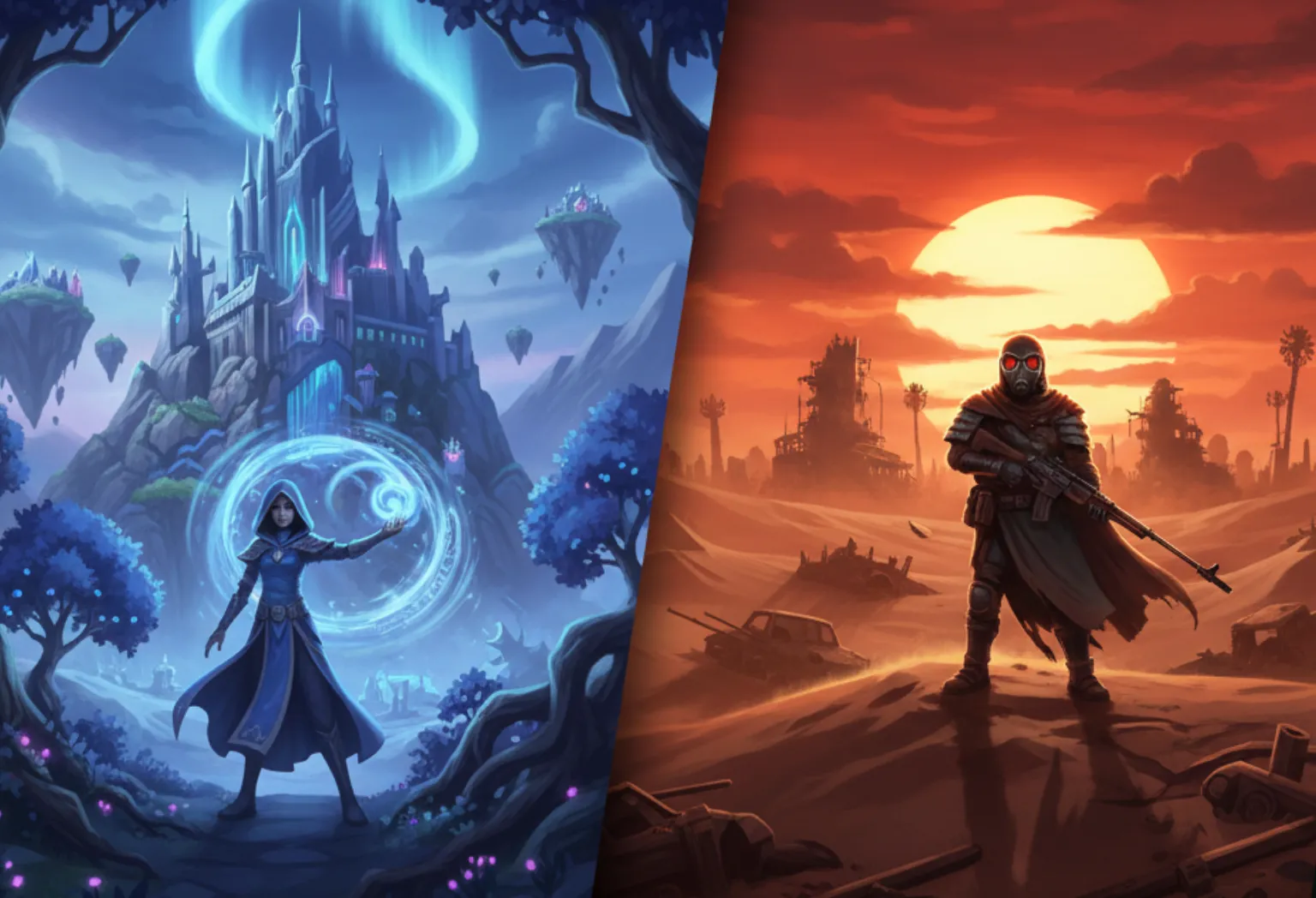
Game art is one of the most powerful forces shaping how players feel, react, and connect with a game. From the first concept sketch to the final frame rendered on a console, art defines the emotional tone and immersive quality of the experience. It communicates mood, story, and intent long before a player reads dialogue or presses a button.
Modern games rely on art not just to look appealing, but to guide player emotions. Colors, shapes, lighting, animation, and visual composition all work together to create emotional responses such as tension, comfort, fear, wonder, or excitement. Game art is storytelling without words.
The Concept Art Phase: Setting Emotional Direction
Visualizing the Game’s Soul
Concept art is where emotional direction begins. Artists explore visual ideas that define the game’s identity, atmosphere, and narrative tone. These early visuals establish whether a game feels dark and mysterious, vibrant and hopeful, or grounded and realistic.
Concept art answers emotional questions such as:
- How should the world feel?
- What emotions should players experience?
- What visual language supports the story?
These visuals serve as emotional blueprints that guide every department throughout development.
Mood Boards and Color Psychology
Mood boards combine references, color palettes, and visual styles to align the creative vision. Color plays a major role in emotional storytelling. Warm tones may suggest safety or nostalgia, while cold or desaturated colors can convey isolation or danger.
By defining emotional color rules early, artists ensure visual consistency that reinforces immersion across environments, characters, and UI elements.
Translating Concepts Into Playable Worlds
Environment Art as Emotional Architecture:
Environment art transforms concepts into explorable spaces. Every environment is designed to evoke a specific emotional response. A wide-open field with soft lighting may create peace, while narrow corridors and harsh shadows generate tension.
Environment artists use:
- Scale and space to influence emotion
- Architecture to suggest history and culture
- Environmental storytelling through objects and decay
These elements help players feel the world rather than simply observe it.
Environmental Storytelling Without Dialogue
Modern game art often tells stories silently. Broken furniture, abandoned camps, graffiti, lighting direction, and object placement hint at past events and unseen narratives.
Players subconsciously absorb these details, creating emotional engagement without exposition. This form of storytelling strengthens immersion because players discover meaning organically.
Character Art and Emotional Connection
Character Design and First Impressions
Characters are emotional anchors for players. Their design communicates personality, background, and emotional state instantly. Clothing, posture, facial features, and silhouette all contribute to how players perceive a character.
A strong character design:
- Feels visually distinct
- Matches the game’s emotional tone
- Communicates story at a glance
These visual cues help players form immediate emotional connections.
Facial Expressions and Body Language
Modern character art pipelines include detailed facial rigs and expressive animations. Subtle expressions, eye movement, and body language convey emotion more effectively than dialogue alone.
A slight hesitation, a clenched jaw, or lowered shoulders can express fear, regret, or determination. These small details make characters feel human, deepening player empathy.
Animation as Emotional Storytelling
Movement and Weight Creating Believability
Animation breathes life into game art. How characters move, react, and interact with the world affects immersion dramatically. Weight, timing, and motion consistency make actions feel believable.
Smooth, responsive animations help players feel connected to their avatar, reinforcing emotional investment in the character’s journey.
Combat and Emotional Intensity
Combat animation directly impacts how players feel during action. Fast, sharp movements create urgency and excitement, while heavy, deliberate attacks convey power and danger.
Visual feedback hit reactions, particle effects, and camera shake enhances emotional intensity, making combat moments memorable and immersive.
Lighting and Color as Emotional Drivers
Lighting Design and Mood Control
Lighting is one of the strongest emotional tools in game art. Bright, natural lighting often creates comfort and clarity, while dim or directional lighting introduces suspense or fear.
Modern engines allow real-time lighting adjustments, enabling artists to change emotional tone dynamically as the story progresses.
Color Grading and Emotional Consistency
Color grading ensures emotional consistency across scenes. It subtly influences how players interpret environments and moments.
For example:
- Muted palettes may suggest loss or decay
- High contrast colors create drama
- Soft gradients enhance calm exploration
These choices guide player emotion subconsciously throughout gameplay.
Visual Effects and Emotional Impact
VFX Supporting Narrative Moments
Visual effects enhance emotional storytelling by emphasizing key moments. Explosions, magic effects, fog, rain, sparks, and energy fields all contribute to emotional intensity.
VFX can signal danger, wonder, or transformation, helping players emotionally understand what is happening without explanation.
Subtle Effects for Immersion
Not all effects are dramatic. Small details like dust particles in sunlight, breath in cold air, or drifting leaves add realism. These subtle effects ground the world, making immersion feel natural and continuous.
User Interface and Emotional Experience
UI Design That Supports Immersion:
- UI is part of the art experience. Clean, readable, and stylistically consistent UI ensures players stay immersed rather than distracted.
- Modern game UI adapts dynamically, appearing only when needed and blending with the world’s aesthetic. This balance preserves immersion while providing essential information.
Emotional Feedback Through Visual Cues:
- Health indicators, ability cooldowns, and damage feedback are designed visually to trigger emotional responses. Red flashes may signal danger, while smooth animations reassure players during recovery.
These visual cues guide emotional reactions in real time.
Sound and Art Working Together
Visual-Audio Synchronization:
- Game art and sound design work hand in hand. Visual effects synced with sound create stronger emotional impact. A powerful attack feels heavier when animation, particles, and sound align perfectly.
This synchronization enhances immersion and reinforces emotional responses.
Environmental Audio Enhancing Visuals:
- Environmental sounds complement visual storytelling. Wind through trees, distant echoes, or dripping water reinforce the mood established by environment art.
Together, sound and visuals create a complete emotional experience.
Art Direction and Consistency Across the Game
Maintaining a Unified Emotional Vision
Art direction ensures every visual element aligns with the game’s emotional goals. From menus to environments, consistency strengthens immersion and avoids emotional disconnect.
A strong art direction keeps the experience cohesive, making the world believable and emotionally engaging.
Stylized vs Realistic Emotional Approaches
Some games use realism to create emotional weight, while others rely on stylization for symbolic storytelling. Both approaches can be immersive when executed consistently.
Stylized art allows abstraction and metaphor, while realism emphasizes authenticity and physical presence.
Optimization Without Losing Emotional Quality
Performance and Emotional Flow
Smooth performance is critical for emotional immersion. Frame drops, loading screens, or visual glitches can break emotional engagement.
Modern pipelines focus on optimization techniques that preserve visual quality while maintaining stable performance on consoles.
Technical Art Preserving Artistic Vision
Technical artists bridge creativity and performance. They ensure shaders, materials, and effects remain emotionally impactful without exceeding hardware limits.
Their work allows game art to remain expressive and immersive across all platforms.
Player Perspective and Camera Design
Camera Movement and Emotional Framing
Camera angles influence how players feel. Close-ups create intimacy, wide shots inspire awe, and shaky cameras add tension.
Dynamic camera systems allow emotional framing to shift naturally during gameplay.
Player Control and Emotional Agency
When players control camera and movement smoothly, they feel more connected to the world. Responsive controls reinforce immersion and emotional investment.
From Development to Console Experience
Bringing Art to Life on Console Hardware:
Console hardware translates artistic vision into real-time experiences. Modern consoles support advanced lighting, textures, and effects that preserve artistic intent.
Optimization ensures that emotional storytelling remains intact when concepts become playable realities.
Emotional Continuity From Start to Finish:
From the first menu screen to the final credits, art defines the emotional journey. Consistent visual storytelling ensures players feel emotionally guided rather than confused.
This continuity turns gameplay into a memorable experience rather than a series of disconnected moments.
The Future of Game Art and Emotional Immersion
AI and Procedural Art Systems
AI-assisted tools will allow artists to generate emotional variations faster, enabling dynamic environments that react emotionally to player actions.
This adaptability will deepen immersion and personalize emotional journeys.
Real-Time Emotional Feedback Systems
Future games may adjust visuals dynamically based on player behavior or emotional state, using lighting, color, and effects to respond in real time.
This evolution will make emotional immersion more personal and responsive than ever before.
Conclusion
From early concept sketches to final console rendering, game art defines how players feel, connect, and immerse themselves in virtual worlds. Every color choice, animation, lighting decision, and visual detail contributes to emotional storytelling.
Modern game art is not just about beauty it is about emotion, immersion, and connection. As technology advances, the role of game art will only grow stronger, shaping experiences that players don’t just play, but truly feel.