

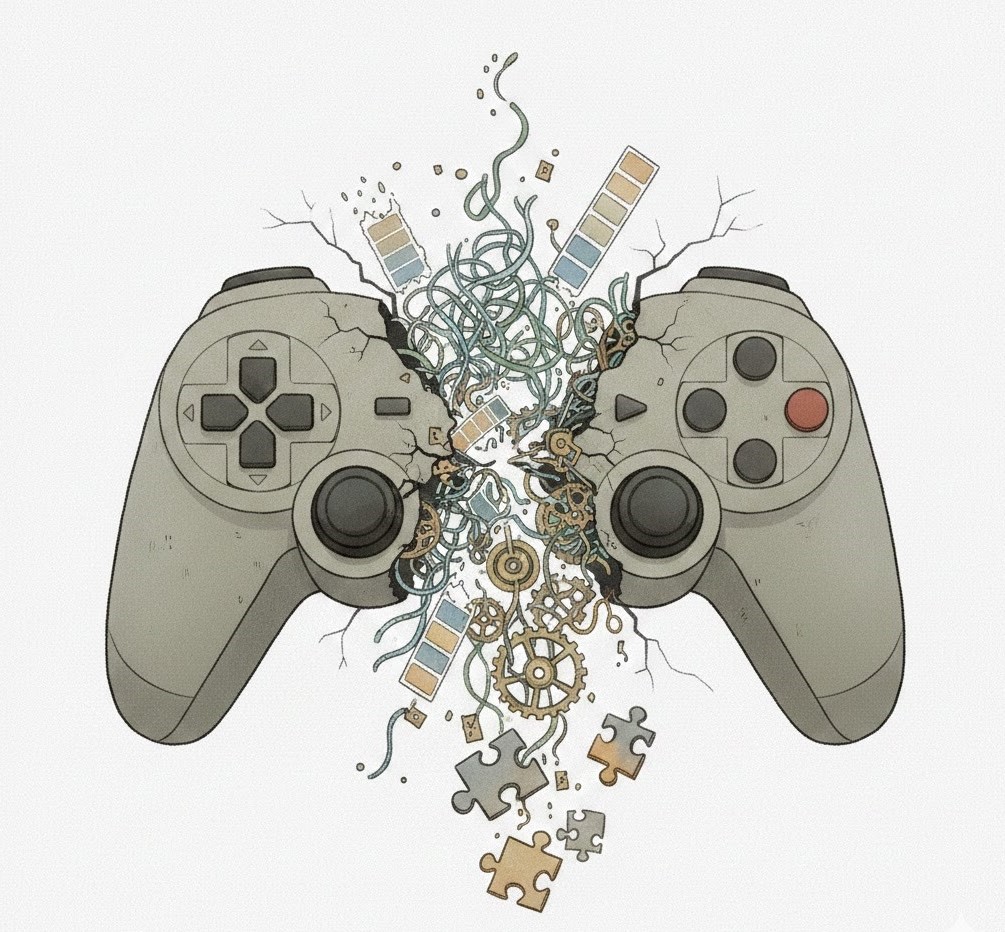
Blockchain gaming sounds exciting at first. That part is true. Ownership, digital items, and new ways to play all sound great on paper. A lot of people jump in thinking it works just like normal online games, only smarter. But once you actually spend time with it, things feel different.
The truth is, blockchain gaming comes with many hidden costs that nobody really explains properly. And these costs are not only about money. They show up in time, stress, mental energy, and even in ways you would not expect, like environmental impact.
Most content online talks about success stories. People winning, earning, or owning rare things. What you do not see often is what people lose in the process. This article looks at those losses in a simple, honest way. No hype. No fancy words. Just real experiences.
The Financial Costs That Slowly Add Up
At the start, many blockchain games look harmless. You sign up, connect a wallet, and begin. It feels light. Almost free. But after some time, you notice something. You keep spending just to stay involved.
Unlike traditional games, blockchain games often push you into paying again and again. There are entry costs, upgrade needs, and small transaction charges that seem minor. But they repeat. And repetition is what makes them heavy over time.
Another problem is uncertainty. The value of in-game assets changes all the time. Something that feels important today can feel worthless later. That creates a strange feeling. You are playing, but also worrying.
There is also quiet social pressure. You see others with better items, stronger characters, or special access. Even if nobody forces you, you start feeling like you should spend more just to belong.
- Entry barriers that require upfront spending before real gameplay begins
- Ongoing transaction fees that appear small but repeat constantly
- Asset value drops that turn digital ownership into hidden losses
The Technical Costs Nobody Prepares You For
This part surprises most people. Blockchain gaming is not simple. Not at all. It is not just downloading and playing. You deal with wallets, keys, networks, and security rules that feel more like finance than gaming.
Setting things up already takes effort. One small mistake can mean losing access forever. And the worst part is, there is usually no support team to help you fix it. If you lose something, it is just gone. Then there are performance issues. Many blockchain games depend on systems outside the game itself. When those systems slow down or fail, your game experience breaks too. Delays happen. Errors happen. A lot.
And nothing stays stable. Wallets update. Networks change. Games change rules. You are forced to keep learning just to stay functional.
- Complex setup that requires technical knowledge beyond normal gaming
- Risk of permanent loss due to human error or security issues
- Performance problems caused by external systems and network delays
The Time Cost That Feels Invisible
Time is one of the biggest hidden costs, and most people do not notice it at first. You do not only spend time playing. You spend time reading guides. Watching videos. Following community chats. Trying to understand what just changed. It becomes part of the routine.
There is also this feeling that you must always stay updated. Prices move. Systems update. New opportunities appear. If you are offline, you might miss something important.
Slowly, the game stops fitting into your life. Your life starts fitting around the game. That is when it becomes heavy.
- Long hours spent learning systems instead of enjoying gameplay
- Constant monitoring of assets and updates
- Mental fatigue from always staying alert and informed
The Emotional and Psychological Cost
This part is rarely discussed, but it matters a lot. Because assets have real value, every decision feels risky. You worry about mistakes. You worry about losing access. You worry about doing the wrong thing. The game creates stress instead of removing it.
People also become attached. Not just to the game, but to digital items. Those items represent time, effort, and sometimes hope. When they lose value, it feels personal. And then there is disappointment. Many people enter blockchain gaming with big expectations. When reality feels slower, more complex, or less rewarding, frustration builds quietly.
Traditional games let you fail and laugh about it. Blockchain gaming makes failure feel expensive, even when it should not.
The Environmental Cost Behind the Scenes
Most players never think about this, but it is always there. Blockchain systems need a lot of computing power. That means energy. A lot of it. Even if one player feels small, millions of small actions add up.
Servers run constantly. Data centers stay active all the time. Everything requires processing. The game never truly sleeps. So while players enjoy the digital world, there is a real-world cost happening in the background. One that most people never see.
- High energy use from constant transaction processing
- Digital infrastructure that relies on heavy computing resources
- Indirect contribution to environmental strain through everyday play
The Social Cost of Playing in Token-Based Worlds
Blockchain gaming changes how people treat each other. In normal games, players connect through fun and shared moments. Here, things feel more transactional. Everyone is thinking about value. Profit. Loss. Strategy. People start acting more like investors than players.
Communities slowly divide. Some people benefit. Others struggle. Comparison becomes constant. Instead of fun conversations, everything turns into discussions about gains and mistakes. It becomes harder to feel real connection. Even in big groups, players feel alone because interactions feel more about assets than people.
The Hidden Cost of Digital Ownership
Digital ownership sounds empowering. You own your items. Your characters. Your progress. But ownership comes with pressure. You are responsible for everything. There is no safety net. No recovery button. No one to fix your mistake. That responsibility is stressful, especially for casual players.
Ownership also changes behavior. Every item feels like an investment. People stop experimenting. They play carefully. They avoid risks. In many cases, players spend more time managing assets than enjoying the game itself.
The Cost of Constant Change
Nothing stays stable in blockchain gaming. Games update rules. Systems evolve. Some projects disappear completely. The time you invested can become useless overnight.
There is no guarantee that what you build today will exist tomorrow. That uncertainty creates mental pressure. Keeping up becomes tiring. Always adapting. Always learning again. Over time, many players just feel burned out.
The Opportunity Cost You Rarely Notice
Every hour spent here is an hour not spent somewhere else. This is easy to ignore. People justify it because there is potential value involved. But for most players, real gains never happen. They trade time for uncertainty.
That time could go into learning skills, building relationships, or even just relaxing. But blockchain gaming often feels like work disguised as fun. And that is dangerous, because it looks productive while quietly draining energy.
The Identity Cost
Some players start defining themselves through digital assets. Their status. Their virtual success. This creates a fragile identity. When things go well, they feel good. When values drop, mood drops too.
For younger players, this is even more risky. They may link self-worth to virtual performance. That connection is unhealthy and hard to notice. Games should support life, not replace personal confidence.
The Illusion of Control
Blockchain gaming talks a lot about freedom and control. You own things. You decide everything. But developers still control the system. They change rules. They limit access. They decide what stays and what disappears.
So the control feels real, but it is not complete. Players are still dependent on systems they cannot influence. When this becomes clear, disappointment hits hard.
The Cost of Complexity
Traditional games are easy to start. You learn as you go. Blockchain gaming adds layers that feel unnecessary. Wallets. Networks. Tokens. Systems. Too many things to think about.
Instead of relaxing, players are constantly making decisions. That mental load pushes many people away. Gaming should reduce stress, not create more of it.
The Long-Term Sustainability Problem
Many blockchain games depend on growth. They need new players all the time. When growth slows, rewards shrink. Communities fade. Interest drops.
Late players often pay the price for early promises. The system becomes unbalanced. And that raises a serious question. Can this model really last?
Conclusion
Blockchain gaming looks simple from the outside, but it carries many hidden costs. Financial pressure, technical stress, time loss, emotional strain, social shifts, and environmental impact all exist beneath the surface.
These costs are not always obvious at first. They grow slowly, quietly, and often feel normal until they are not.
Blockchain gaming is not necessarily bad. But it is far more demanding than it seems. Understanding these hidden costs helps people make better choices, instead of entering with unrealistic expectations. Gaming should add value to life, not slowly take it away.