

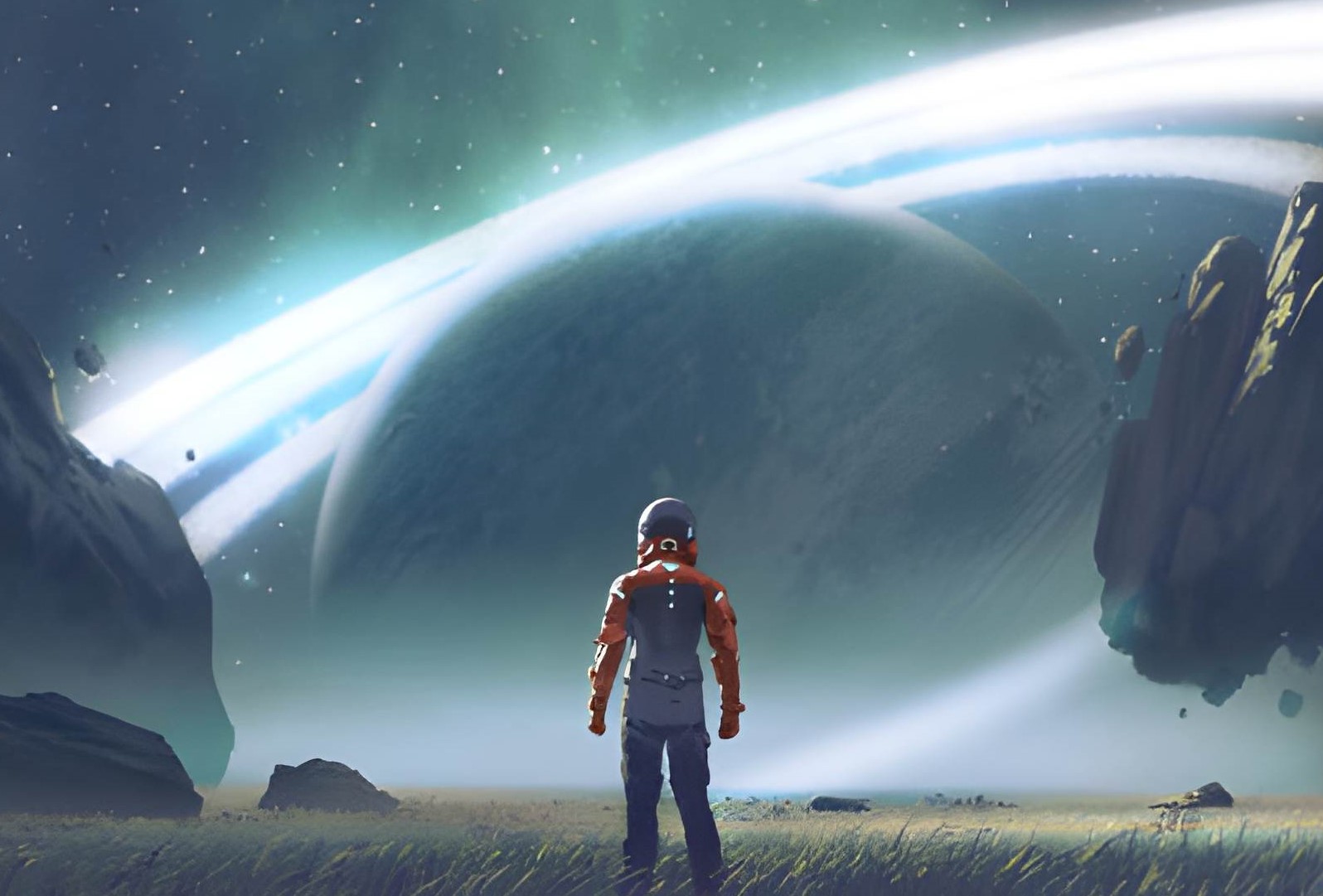
If you’ve ever looked at your favourite game and thought, “I wish I could make something like this,” you’re already closer to starting game art than you think. Game art is one of those fields that feels intimidating from the outside and full of complex tools, technical terms, and incredibly talented people. But here’s the truth most professionals won’t tell you upfront: almost everyone in game art started with zero experience.
Game art isn’t about being born with talent. It’s about learning how to see, how to practice, and how to stay consistent. Whether you want to design characters, build worlds, or create interfaces, the path is open to anyone willing to start small and grow step by step.
This guide is written for absolute beginners. No art degree. No fancy software. No prior experience. Just curiosity and a willingness to learn.
What Is Game Art and Why It Matters
Game art is everything visual inside a game. Every character, environment, weapon, menu, icon, animation, and visual effect you see exists because a game artist created it. It’s not just about making things look good, it’s about communicating ideas, emotions, and gameplay through visuals.
Good game art shapes how players feel and behave. It tells them where to go, what’s important, what’s dangerous, and what kind of world they’re in. A horror game feels scary largely because of lighting, colours, and visual design. A cozy farming game feels relaxing for the same reasons.
In simple terms, game art sits at the intersection of creativity and function.
- It supports gameplay by making mechanics clear and intuitive
- It builds immersion by creating believable worlds and characters
Without strong game art, even the best game design can feel empty or confusing.
Types of Game Art You Can Explore
Game art isn’t one single job. It’s a broad field with many specializations, and beginners often don’t realize how many paths exist. You don’t need to master everything, most professionals focus on one area.
The main categories usually include 2D art, 3D art, and interface design, but within those are even more specific roles.
- 2D art (concept art, sprites, textures)
- 3D art (models, environments, props)
- UI/UX art (menus, HUDs, icons)
2D game art includes things like character illustrations, backgrounds, and concept sketches. This is common in mobile games, indie games, and visual novels.
3D game art involves building models in three dimensions: characters, buildings, weapons, and entire worlds. This is what you see in most modern PC and console games.
UI art focuses on how players interact with the game: buttons, health bars, maps, inventory screens. It’s less flashy, but extremely important.
As a beginner, it’s smart to try a little of each before committing to one.
Skills You Need to Start Game Art (No Background Required)
You don’t need to be “good at drawing” to start. What you actually need is the ability to learn and observe. Game art skills are built, not discovered.
The foundation of game art is visual thinking and understanding shape, form, colour, and composition. These are skills anyone can develop with practice.
- Basic drawing and observation skills
- Understanding of form, light, and colour
- Willingness to practice consistently
Drawing helps, even for 3D artists. It trains your eye to see proportions and details. But you don’t need to become a fine artist. Simple sketches are enough at the start.
You’ll also learn technical skills like using software, exporting files, and working with game engines. These sound scary, but they become normal very quickly.
The most important skill by far is consistency. Ten minutes every day beats five hours once a month.
Tools and Software Beginners Should Learn First
The tools can feel overwhelming, but you don’t need everything. Start simple. Most professional tools have free versions or alternatives.
For 2D, you’ll mostly work with drawing and painting software. For 3D, you’ll use modeling tools. UI artists often combine both.
- Krita or Photoshop for 2D art
- Blender for 3D modeling
- Figma or Adobe XD for UI
Blender is one of the best things to happen to beginner game artists. It’s free, powerful, and used professionally. You can model characters, environments, and even animate.
Krita is a great free alternative to Photoshop for digital painting and concept art.
Don’t fall into the trap of learning ten tools at once. Pick one and stick with it for a few months.
Learning Paths
Random tutorials won’t get you far. You need some kind of structure, even if it’s loose. Think in terms of stages, not perfection.
Start with fundamentals, then move into specialization.
- Learn basic art fundamentals
- Follow beginner-friendly tutorials
- Recreate simple game assets
First, focus on fundamentals like shapes, lighting, and perspective. These apply to every type of game art.
Then follow structured tutorials. Not just “cool speed art,” but actual beginner courses where the instructor explains why things work.
Finally, try recreating simple assets: a sword, a tree, a basic character. This builds real skill faster than abstract exercises.
The goal isn’t to be original at first. It’s to understand the process.
How to Practice Game Art the Right Way
Practice is where most beginners fail, not because they don’t work hard, but because they practice randomly. Effective practice is focused and intentional.
Instead of drawing anything that comes to mind, practice specific skills.
- Break big goals into small tasks
- Study real game assets
- Get feedback from others
For example, instead of “learn character art,” try “model a low-poly character head this week.”
Look at assets from games you like and analyze them. How simple are the shapes? How many colors? How detailed?
Share your work in communities like ArtStation, Reddit, or Discord servers. Feedback accelerates growth more than solo practice ever will.
Common Beginner Mistakes (and How to Avoid Them)
Almost every beginner makes the same mistakes. The good news is that you can avoid most of them if you’re aware.
The biggest one is trying to be perfect too early.
- Starting with overly complex projects
- Comparing yourself to professionals
- Ignoring fundamentals
Beginners often jump straight into “AAA-level characters” and burn out. Start small. A simple crate or lamp is better than an unfinished dragon.
Comparing yourself to artists with 10 years of experience will kill your motivation. Compare yourself only to your past work.
And never skip fundamentals. Fancy tools won’t save weak basics.
How to Build a Simple Game Art Portfolio from Scratch
You don’t need a huge portfolio to get started. You just need a few solid pieces that show your potential and your direction.
A beginner portfolio should be small, focused, and honest.
- 5–8 polished pieces
- Personal or practice projects
- Clear specialization
If you want to be a 3D environment artist, your portfolio should show environments, not random character sketches.
Quality matters more than quantity. One well-made asset is better than ten rushed ones.
Use platforms like ArtStation or a simple website. Recruiters care about what they see, not fancy layouts.
Career Paths and Opportunities in Game Art
Game art isn’t limited to big studios. There are many ways to build a career, depending on your goals and lifestyle.
You can work full-time, freelance, or even sell assets.
- Game studios (indie or AAA)
- Freelancing and remote work
- Asset stores and marketplaces
Many artists start by freelancing and creating assets for small teams or indie developers. This builds experience fast.
Others sell models, UI kits, or textures on platforms like Unity Asset Store or Unreal Marketplace.
Game art skills also transfer to film, animation, VR, and even marketing.
How Long Does It Take to Become a Game Artist?
This is the question everyone asks, and the honest answer is: it depends on consistency, not talent.
Most beginners see real improvement within 3–6 months. A job-ready level often takes 1–2 years of focused practice.
- Daily practice beats long breaks
- Focused learning beats random tutorials
- Small wins keep motivation alive
You don’t need to quit your job or study 10 hours a day. Even 30–60 minutes daily compounds over time.
Game art is a long-term skill, but it’s one of the most rewarding creative paths out there.
Final Thoughts
Starting game art with zero experience is not a disadvantage, it’s normal. Every professional game artist you admire once opened a blank canvas and had no idea what they were doing.
What separates people who succeed isn’t talent or tools. It’s the decision to start, to stay consistent, and to accept being bad at first.
Game art is a craft. You build it slowly, piece by piece, project by project. Some days will feel frustrating. Others will feel magical. Both are part of the process.
If you’re waiting to feel “ready,” you’ll never start. Open a free tool. Follow a simple tutorial. Create your first ugly asset.
That single step is how every real game artist begins.