

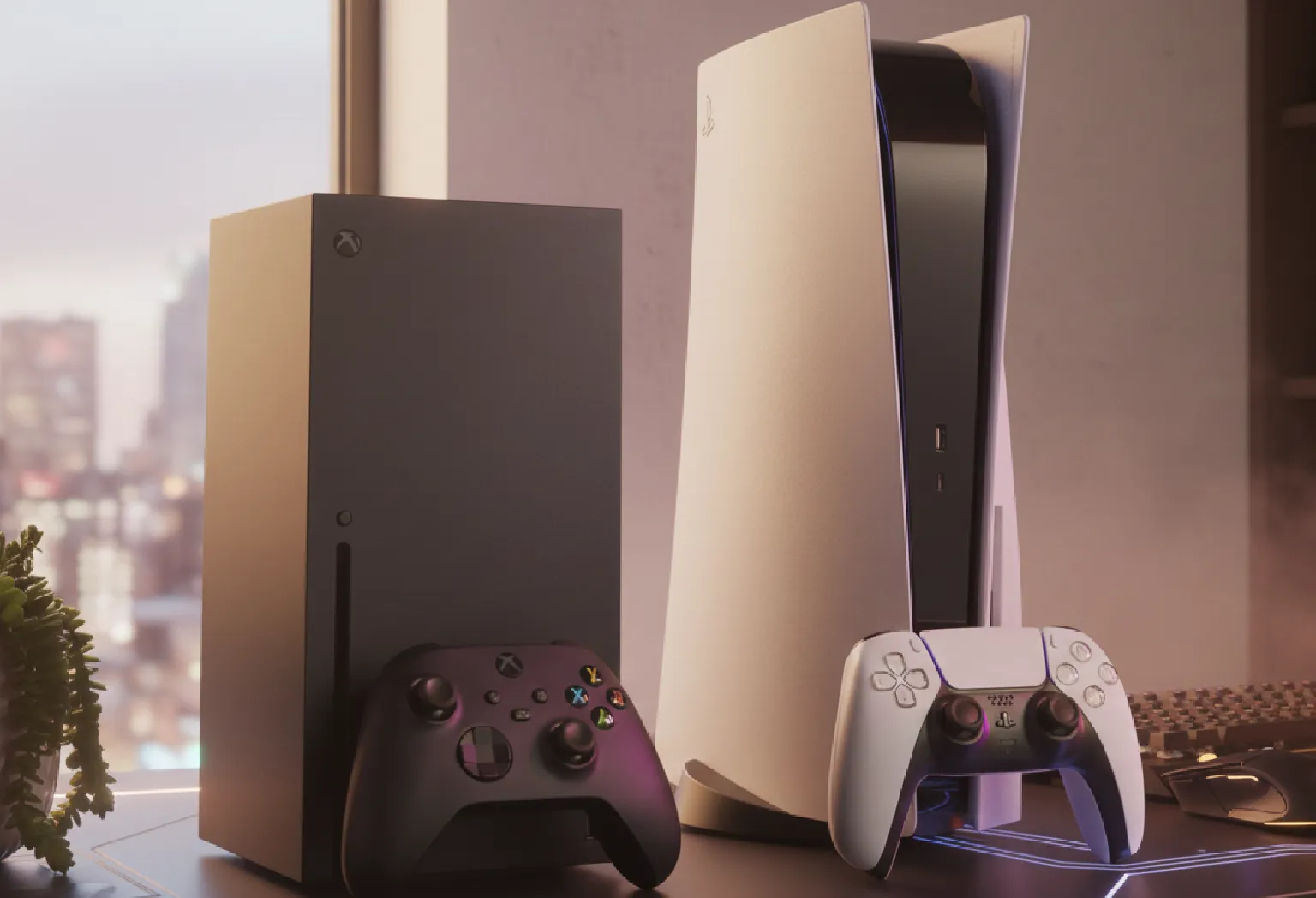
The competition between console manufacturers has been a defining feature of the gaming industry for decades. From Sega vs. Nintendo to the modern PlayStation vs. Xbox rivalry, console wars revolve around two major pillars: exclusive games and ecosystem design.
Exclusive titles create a compelling reason for players to choose one platform over another, while ecosystem design ensures long-term engagement, convenience, and loyalty. Together, they shape consumer decisions and drive market dynamics in a fiercely competitive landscape.
The Power of Exclusive Titles
Defining Exclusive Games
Exclusive games are titles available on only one console or platform. These can include first-party games developed by the console manufacturer or timed exclusives that launch on a single system before expanding elsewhere.
Exclusives often define the identity of a console. Iconic franchises like God of War, Halo, and The Legend of Zelda have historically drawn massive audiences, giving platforms a unique selling point beyond hardware specs.
Emotional and Brand Loyalty
Exclusive games are more than just content—they create emotional attachment. Players invest time, effort, and money into these franchises, making them more likely to remain loyal to a platform.
When players connect with beloved characters and storylines, the console itself becomes part of the experience. This emotional bond drives repeat purchases and strengthens brand loyalty across generations.
Driving Hardware Sales Through Exclusivity
Compelling Purchase Decisions
Exclusive titles are a key driver of console sales. A must-play game available only on one system motivates gamers to buy that console, even if competing hardware offers superior specs or features.
Examples:
- PlayStation: Known for narrative-driven exclusives like Horizon Zero Dawn and Spider-Man.
- Xbox: Focuses on franchises like Halo and Forza to attract a dedicated fanbase.
Launch Titles and Early Adoption
Console launches often feature exclusive titles to incentivize early adopters. Launch games help establish momentum, generate media attention, and create community excitement, which reinforces the console’s position in the market.
Ecosystem Design: Beyond the Hardware
What Is a Console Ecosystem?
A console ecosystem encompasses all software, services, and experiences surrounding a platform. This includes:
- Game libraries
- Subscription services (e.g., Game Pass, PlayStation Plus)
- Cloud and backward compatibility
- Online multiplayer infrastructure
- Digital storefronts and achievements
A well-designed ecosystem keeps players engaged long after the initial purchase, adding value that extends beyond individual games.
Subscription Services and Continuous Engagement
Subscription services like Xbox Game Pass and PlayStation Plus have reshaped the console market. They provide instant access to hundreds of titles, often including exclusives, for a monthly fee.
Benefits include:
- Lower cost of entry for new players
- Encouraging discovery of new genres and franchises
- Retention through regular content updates
These services are integral to ecosystem-driven loyalty, as players become accustomed to accessing a library of games within a single platform.
Cross-Generational Loyalty
Backward Compatibility
Backward compatibility allows older games to be played on newer consoles. This feature reinforces loyalty by protecting players’ investments in their game libraries.
Players are more likely to stick with a platform when previous purchases retain value, strengthening the ecosystem and sustaining engagement across console generations.
Platform-Specific Achievements and Rewards
Achievement systems, trophies, and online rankings incentivize continued play and social interaction. These platform-specific rewards encourage players to stay within a particular ecosystem, further solidifying loyalty to the console brand.
Also Read: What Makes Next-Gen Console Games More Immersive Than Ever Before
The Role of Hardware and Software Integration
Optimized Performance for Exclusive Titles
Exclusives are often optimized to leverage a console’s hardware, delivering superior graphics, faster load times, and smoother gameplay. This synergy enhances player experience and highlights the console’s strengths.
For example, PlayStation’s SSD technology enables near-instant load times for games like Ratchet & Clank: Rift Apart, while Xbox leverages its hardware to deliver high-fidelity graphics for Forza Horizon series.
Custom Controllers and Peripheral Ecosystems
Hardware design extends beyond the console itself. Controllers, VR devices, and peripherals integrate seamlessly with exclusive games to enhance immersion and gameplay.
Unique hardware experiences, such as the PlayStation DualSense adaptive triggers, can influence player preference and reinforce ecosystem loyalty.
Social and Multiplayer Considerations
Online Communities Within Ecosystems
Exclusive multiplayer titles and integrated social features create communities that exist within a console ecosystem. Players join friends, clans, and competitive leagues tied to a single platform.
This social investment encourages users to remain within the ecosystem to maintain connections and compete in shared environments.
Cross-Platform Play and Its Impact
While cross-play is increasingly common, it can also highlight the value of exclusive ecosystems. Some platforms offer better integration, lower latency, or unique content for their own players, incentivizing console-specific adoption while still supporting broader multiplayer access.
Marketing and Psychological Influence
Creating Scarcity and Urgency
Exclusives create a sense of scarcity, generating demand and urgency to purchase the console. Timed exclusives or limited editions amplify this effect, enticing early adoption and media attention.
Marketing campaigns leverage these exclusives to create a narrative that “the game lives best on this console,” influencing both casual and hardcore gamers.
Brand Perception and Prestige
Strong exclusive libraries enhance brand perception. Consoles with acclaimed exclusives are seen as more desirable, innovative, or premium. This perception shapes consumer choice, often outweighing minor hardware differences or price points.
Industry Trends and Shifts
Cloud Gaming and Service-Based Ecosystems
Cloud gaming is changing the console war dynamic by decoupling games from hardware. Services like Xbox Cloud Gaming allow players to access exclusives on multiple devices, challenging traditional exclusivity strategies.
However, even in cloud ecosystems, integrated services, achievement systems, and platform-specific content remain key differentiators.
Indie and Third-Party Collaboration
Exclusive titles aren’t limited to big studios. Partnerships with indie developers can yield unique, critically acclaimed games that enhance ecosystem appeal.
Smaller studios gain visibility, while consoles benefit from distinctive content that differentiates their library from competitors.
Economic and Long-Term Impact
Driving Long-Term Revenue
Exclusive games and ecosystem loyalty drive ongoing revenue through:
- Hardware sales
- Subscription renewals
- DLC and expansions
- Microtransactions within platform-specific games
This recurring revenue model strengthens a console’s position in the market over time, allowing sustained investment in new exclusives.
Shaping Consumer Expectations
Players now expect robust ecosystems with access to exclusive titles, subscription services, and cross-generation benefits. Console manufacturers respond by refining ecosystems and investing in first-party studios, creating a cycle that perpetuates the console war.
Conclusion
Exclusive titles and ecosystem design are the core drivers of console competition. While hardware specifications matter, it is the combination of emotionally compelling games, seamless service integration, and long-term platform value that shapes consumer decisions.
Console wars thrive because players don’t just buy machines, they invest in ecosystems, communities, and experiences. Exclusive titles act as the gateway, and the broader ecosystem ensures retention and loyalty. This synergy guarantees that the battle between consoles remains a defining force in the gaming industry for years to come.