

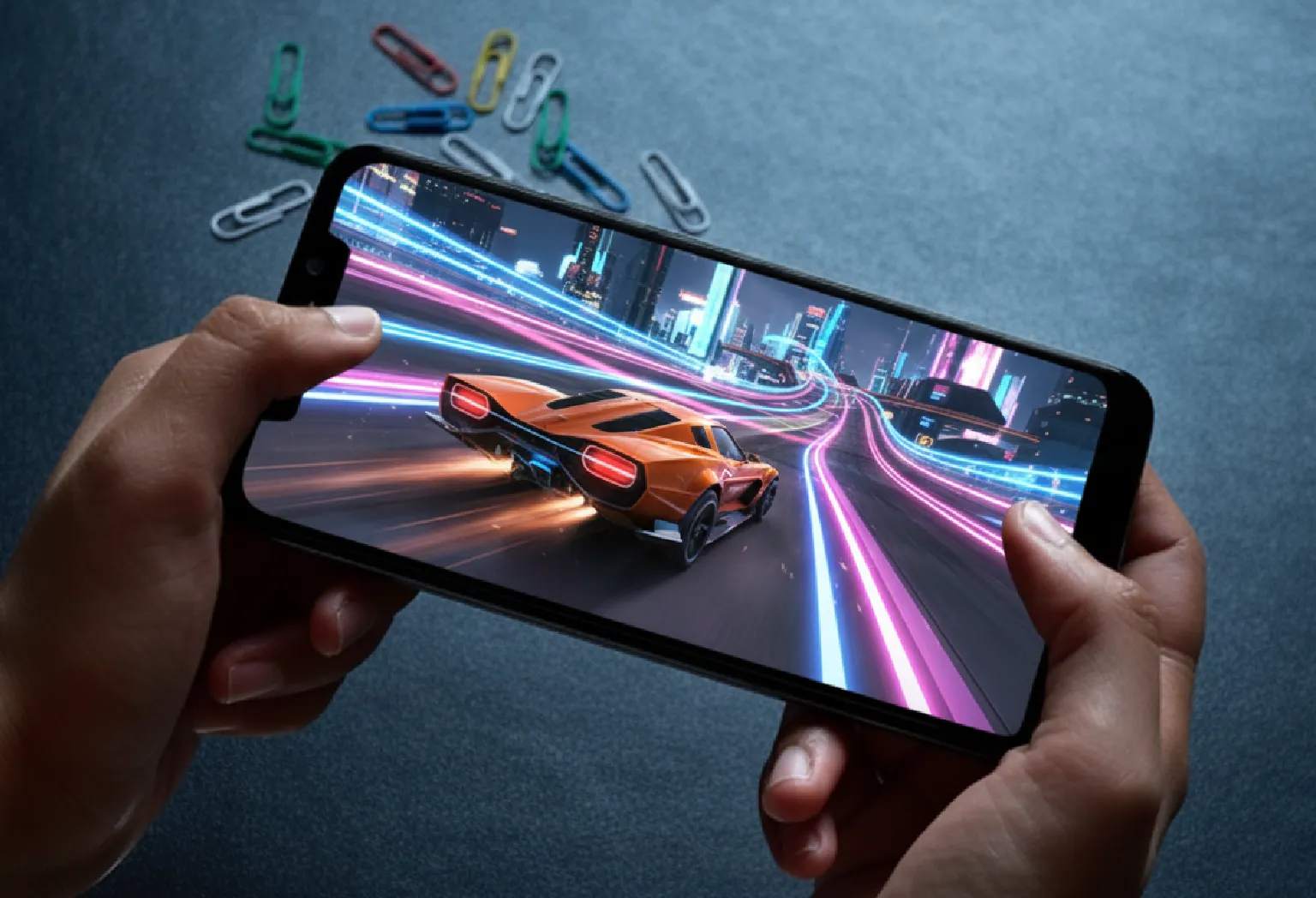
Mobile gaming has grown rapidly over the past decade to become the most accessible and widespread form of gaming across the globe. Smartphones have penetrated every corner of the world, making games available to players who may never own a console or gaming PC. This widespread accessibility is a major reason why mobile gaming has become the primary entry point for new gamers.
Affordable devices, intuitive touch controls, and a massive library of games mean that virtually anyone with a smartphone can start gaming immediately, without additional hardware or complicated setups.
Accessibility and Convenience Drive Adoption
- Gaming in the Palm of Your Hand
- Play anytime, anywhere, commutes, breaks, or short bursts.
- No dedicated gaming space or hardware needed.
- Appeals to casual players, students, working professionals, and older demographics.
- Low Barriers to Entry
- Free-to-play or low-cost downloads reduce financial constraints.
- Minimal learning curves allow instant engagement.
- Simple casual games provide an easy gateway into interactive experiences.
Social Connectivity and Community
Multiplayer and Online Interaction
Mobile gaming often includes multiplayer features that connect players instantly across the globe. Social games, battle royales, and competitive matches create opportunities for friends, families, and strangers to play together, fostering community engagement from the very first game.
This sense of connectivity encourages sustained interest and makes gaming feel more accessible and inviting than traditional solo console experiences.
Integration with Social Platforms
Many mobile games leverage social media and messaging platforms to enhance engagement. Players can invite friends, share achievements, and participate in in-game events through apps they already use daily.
This seamless integration strengthens the entry point for new gamers, as it leverages familiar digital habits rather than requiring a separate ecosystem for gaming.
Mobile Hardware Advancements
Powerful Processors and High-Quality Displays
Modern smartphones are equipped with high-performance CPUs, GPUs, and displays capable of rendering rich 3D worlds, realistic textures, and smooth animations. These advancements bring mobile games closer to console-quality experiences, ensuring that first-time gamers experience impressive graphics without high-end hardware.
Flagship devices also support high refresh rates, HDR, and wide color gamuts, creating visually stunning experiences that capture attention and encourage continued play.
Access to Innovative Controls
Touchscreen controls, motion sensors, haptic feedback, and gyroscopes allow mobile developers to experiment with innovative gameplay mechanics. From gesture-based puzzles to immersive augmented reality interactions, mobile devices offer novel entry points that are intuitive and engaging.
These unique controls make gaming approachable even for users unfamiliar with traditional controllers or keyboard setups.
Game Diversity and Global Appeal
Casual Games for Everyone
- Wide range of genres: puzzles, strategy, RPGs, action, and endless runners.
- Games suitable for all skill levels, from beginners to experienced players.
- Casual titles attract first-time gamers who may later explore advanced genres.
Cultural Localization and Global Reach
- Games translated into multiple languages.
- Region-specific events and culturally familiar themes.
- Inclusive content ensures players worldwide feel welcomed and engaged.
Also Read: How Mobile Games Are Evolving Into High-Performance Console-Level Experiences
Monetization Models Encouraging Participation
Free-to-Play and Microtransactions
Free-to-play models dominate mobile gaming, allowing new players to start immediately without financial barriers. Optional microtransactions enhance gameplay or accelerate progress but do not block entry for those unwilling to spend.
This flexible approach reduces friction for first-time players and encourages experimentation with different genres and gameplay styles.
Reward Systems and Progression Loops
Mobile games often use progression systems, daily rewards, and in-game achievements to motivate continued play. These loops provide consistent feedback and a sense of accomplishment, making gaming addictive in a positive way.
New gamers quickly understand goals, achievements, and rewards, which helps them feel confident and invested from the start.
Cloud Gaming and Cross-Platform Access
Expanding Access to High-End Titles
Cloud gaming technology allows smartphones to stream high-performance games traditionally reserved for consoles or PCs. This bridges the gap between casual and hardcore gaming, giving first-time players access to visually and mechanically complex experiences without needing specialized hardware.
Cloud gaming also introduces global audiences to games that might otherwise be restricted by device requirements, expanding the entry point for new players.
Seamless Cross-Progression
Many mobile games now support cross-platform progression, allowing players to start on mobile and continue on consoles or PCs. This flexibility ensures that new gamers are not limited by device choice and can explore gaming on multiple platforms over time.
Cross-progression encourages longer engagement and a smoother transition from mobile to more dedicated gaming hardware.
Social Impact and Mobile Gaming’s Growth
Gaming as a Social Connector
Mobile gaming often serves as an introduction to online communities, esports, and collaborative play. Players connect with friends, join guilds, and participate in live events, creating a social layer that enhances emotional investment.
For new gamers, these communities provide mentorship, guidance, and motivation, making the entry into gaming a more enjoyable and less intimidating experience.
Driving Global Market Expansion
Emerging markets have seen explosive growth in mobile gaming due to accessibility and affordability. Countries with limited console or PC penetration have embraced mobile gaming as the primary form of entertainment.
As a result, mobile gaming drives global gaming expansion, bringing millions of first-time players into the ecosystem every year.
Educational and Skill Development Benefits
Cognitive Engagement Through Games
Many mobile games require problem-solving, strategy, memory, and quick decision-making. These cognitive demands attract parents, educators, and casual players looking for engaging yet mentally stimulating experiences.
Gamified learning, puzzle challenges, and strategy mechanics introduce first-time gamers to the interactive and rewarding nature of video games.
Encouraging Creative Play
Mobile platforms also host sandbox and creation-based games that allow players to experiment, design, and build. This fosters creativity and innovation, offering entry-level gamers a hands-on experience that traditional media cannot match.
By enabling players to contribute creatively, mobile gaming strengthens engagement and emotional investment.
Challenges and Future Outlook
Device Limitations in Some Regions
Despite improvements, not all smartphones support high-end gaming experiences. Budget devices may limit graphics, performance, or connectivity, which can create disparities in player experiences.
Developers continue to optimize games for lower-end hardware, ensuring that entry-level devices remain viable entry points for global gamers.
Network Dependency
Many mobile games rely on stable internet connections. In regions with unreliable connectivity, this can be a barrier for new players. Offline play and adaptive network optimizations are increasingly addressing this challenge, making mobile gaming more accessible.
Looking Ahead
The future of mobile gaming is bright, with cloud gaming, AR/VR integration, AI-driven content, and cross-platform ecosystems expanding the entry point for new gamers. Mobile devices will continue to act as the gateway for first-time players, bridging casual play with full-scale gaming experiences.
Conclusion
Mobile gaming has become the primary entry point for global gamers due to its accessibility, affordability, and convenience. The combination of powerful hardware, intuitive controls, free-to-play models, social connectivity, and cross-platform opportunities ensures that new players can engage with games immediately and meaningfully.
As the global audience grows, mobile gaming will continue to introduce new generations of players to the world of gaming, shaping the industry’s future and redefining what it means to “start” gaming in the modern era.