

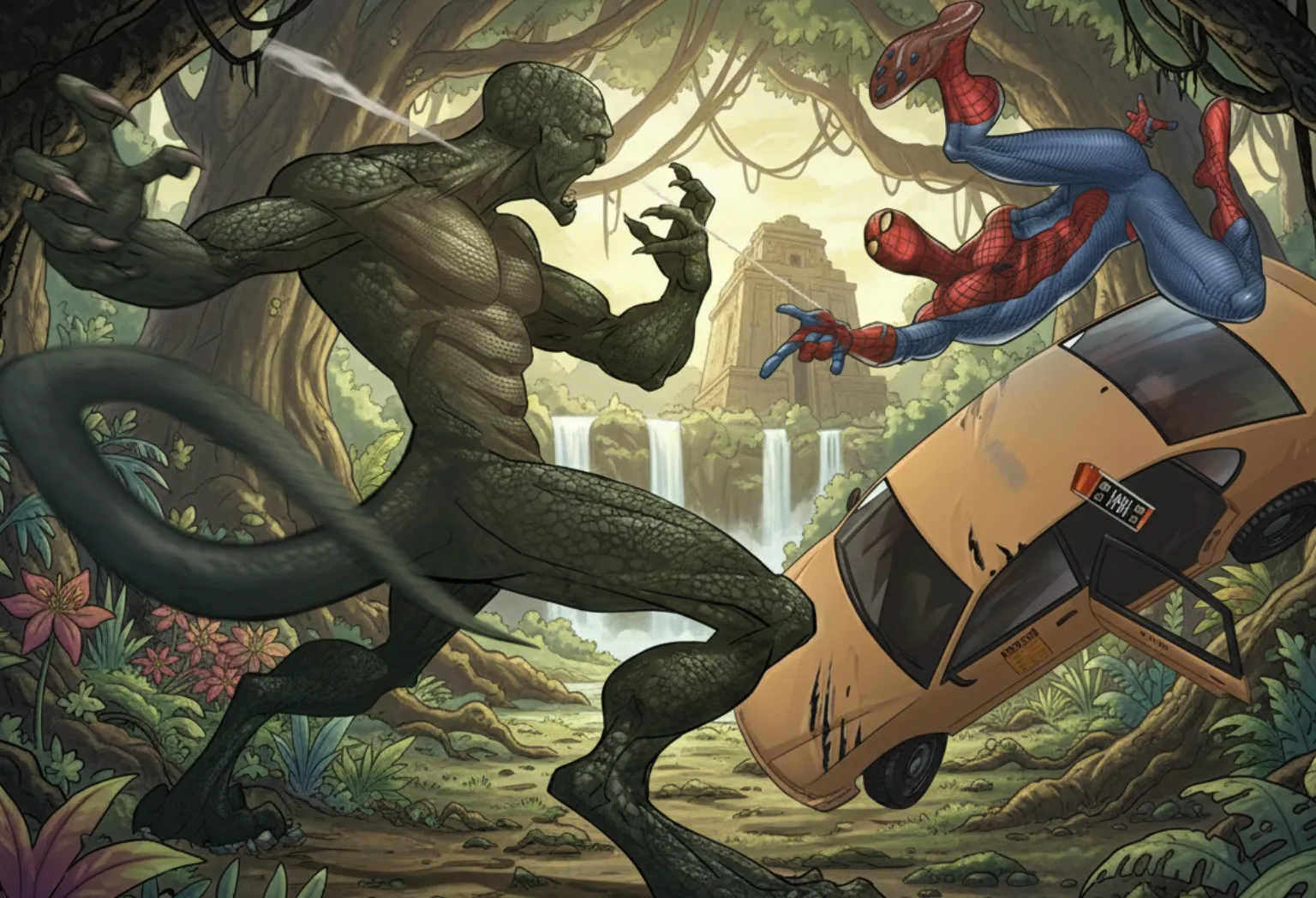
The video game industry is evolving at a breakneck pace, and one of the most exciting developments in recent years has been the integration of artificial intelligence (AI) into game art creation. AI tools are transforming the way game artists work, allowing them to produce high-quality visuals faster, automate repetitive tasks, and focus more on creativity and storytelling. Contrary to fears of AI replacing human artists, these tools are designed to augment human creativity, providing artists with new capabilities that enhance their workflow rather than replace them.
The Role of Game Artists in Modern Game Development
Game artists play a crucial role in shaping the visual identity of a game. From concept art to 3D modeling, textures, animations, and environmental design, their work determines how players experience the game world. However, creating high-quality art assets is time-consuming and resource-intensive. Traditionally, artists have spent countless hours on tasks such as:
- Generating concept sketches and reference images
- Modeling 3D characters and environments
- Texturing and painting assets
- Rigging and animating characters
- Iterating on designs based on feedback
While these tasks are essential, they often involve repetitive work that can slow down production. This is where AI comes in—offering smart solutions that accelerate processes without compromising artistic quality.
How AI is Transforming Game Art Workflows
AI is being integrated across multiple stages of game art production. Here are some key ways it enhances workflows:
1. Concept Art Generation
Concept art is the foundation of visual design in games. AI tools can quickly generate hundreds of concept images based on prompts or references provided by the artist. This allows artists to:
- Explore different visual styles rapidly
- Test variations of characters, environments, or props
- Focus on refining the best concepts rather than starting from scratch
For example, AI-powered tools like DALL·E, MidJourney, and Stable Diffusion allow artists to create high-quality concept visuals in minutes—a task that traditionally could take hours or even days.
2. 3D Modeling Assistance
Creating 3D assets for characters, environments, and props is one of the most labor-intensive parts of game development. AI can assist in:
- Generating 3D models from 2D concept art
- Automatically retopologizing meshes for better performance
- Suggesting design improvements based on style consistency
Tools like NVIDIA Omniverse and AI-driven plugins for Blender or Maya provide features that streamline modeling, allowing artists to focus on creative details rather than repetitive adjustments.
3. Texture and Material Creation
Textures and materials bring 3D models to life. AI tools can automatically generate high-quality textures based on a few input images or patterns, saving significant time. Benefits include:
- Automating UV mapping and texture tiling
- Suggesting realistic material variations (wood, metal, fabric)
- Enhancing textures for different lighting conditions
This allows artists to maintain visual fidelity without spending hours manually painting textures.
4. Animation and Motion Capture Enhancements
Animating characters and objects is often a time-consuming task that requires precision. AI can assist with:
- Auto-rigging characters to simplify animation setup
- Enhancing motion capture data to create smooth, realistic animations
- Predicting motion for procedural animation in dynamic environments
By automating repetitive aspects of animation, AI allows animators to focus on creative storytelling and character movement.
5. Environment and World Building
Creating immersive game worlds requires attention to detail, from terrain and foliage to lighting and weather effects. AI tools assist in:
- Procedural generation of landscapes and cityscapes
- Suggesting layouts for level design based on gameplay patterns
- Automating placement of objects to ensure natural, realistic environments
This is especially valuable for open-world games, where creating vast environments manually would be extremely time-consuming.
Benefits of Using AI Tools in Game Art
Integrating AI into game art pipelines offers several tangible benefits:
1. Time Efficiency
AI reduces the time required for repetitive or complex tasks, allowing teams to produce more assets in less time. Concept generation, texturing, and even animation can be accelerated dramatically.
2. Cost Reduction
By automating certain tasks, AI reduces the need for large teams to perform repetitive work, lowering development costs without compromising quality.
3. Enhanced Creativity
Artists can use AI as a collaborative partner. Instead of being limited by technical constraints, they can experiment with styles, designs, and ideas that might not have been feasible manually.
4. Consistency Across Assets
AI can help maintain a consistent art style throughout a game, which is particularly valuable in large-scale productions with multiple artists working on different components.
5. Accessibility for Small Teams
Indie developers or smaller studios can leverage AI tools to create high-quality visuals that compete with AAA titles, democratizing game development.
Common AI Tools for Game Artists
Here’s a look at some popular AI tools used in the industry:
- DALL·E / MidJourney / Stable Diffusion – AI-generated concept art and visual brainstorming.
- Runway ML – AI-powered video and image editing for animations and cinematic sequences.
- NVIDIA Omniverse – AI-assisted 3D modeling, simulation, and collaborative asset creation.
- Artbreeder – Generative art for character and environment design.
- Blender Plugins with AI Integration – Automated modeling, rigging, and texture generation.
These tools are continually evolving, offering artists more creative freedom and faster workflows.
Addressing Concerns: AI Will Not Replace Artists
One of the biggest misconceptions about AI in game art is that it will replace human artists. The reality is different:
- AI is a tool, not a replacement: It handles repetitive and time-consuming tasks, freeing artists to focus on creativity.
- Human oversight is critical: AI-generated assets still require refinement, artistic judgment, and integration into the game world.
- Collaboration, not competition: AI can be used alongside human artists to push the boundaries of creativity, combining machine efficiency with human intuition.
Game studios increasingly view AI as an enhancement rather than a replacement, allowing artists to experiment more and produce higher-quality work.
Challenges of AI in Game Art
While AI offers numerous advantages, it also comes with challenges:
- Quality Control – AI outputs may require significant editing to match the desired art style.
- Ethical Considerations – Ownership and copyright of AI-generated content can be complex.
- Learning Curve – Artists need to learn new tools and adapt workflows to integrate AI efficiently.
- Overreliance – Excessive dependence on AI may reduce human originality if not managed properly.
Despite these challenges, the benefits of AI-assisted pipelines outweigh the risks when implemented thoughtfully.
Future Trends in AI-Assisted Game Art
The integration of AI in game art is still evolving. Future trends may include:
- Real-Time AI Art Generation – AI creating assets dynamically during gameplay for adaptive environments.
- AI-Assisted Storytelling – Generating NPCs, animations, and even dialogue that respond to player actions.
- Collaborative AI Platforms – Multiple artists working simultaneously with AI assistance in cloud-based pipelines.
- Enhanced Procedural Content – AI combining procedural generation with artistic input for massive, diverse game worlds.
The future of game art will likely see hybrid pipelines, where AI and human creativity complement each other seamlessly.
Conclusion
AI tools for game artists are revolutionizing the creative process. They allow for faster concept generation, smarter asset creation, streamlined animations, and richer game environments—all while keeping the artist in control. By enhancing creativity rather than replacing it, AI is becoming an essential part of modern game development pipelines.
Artists who embrace AI can produce higher-quality work, experiment more freely, and reduce repetitive labor. For studios, this means faster production cycles, lower costs, and games that are visually stunning and immersive.